Projects
I've selected these projects to highlight the multidisciplinary work I've taken on across different industries and challenges. Each one highlights a unique aspect of my approach to problem-solving, design, and development.
Enterprise Resource Control (ERC)
- Project Id: 1
- Categories: Full-Stack Development
- Project Date: May-2023
Description
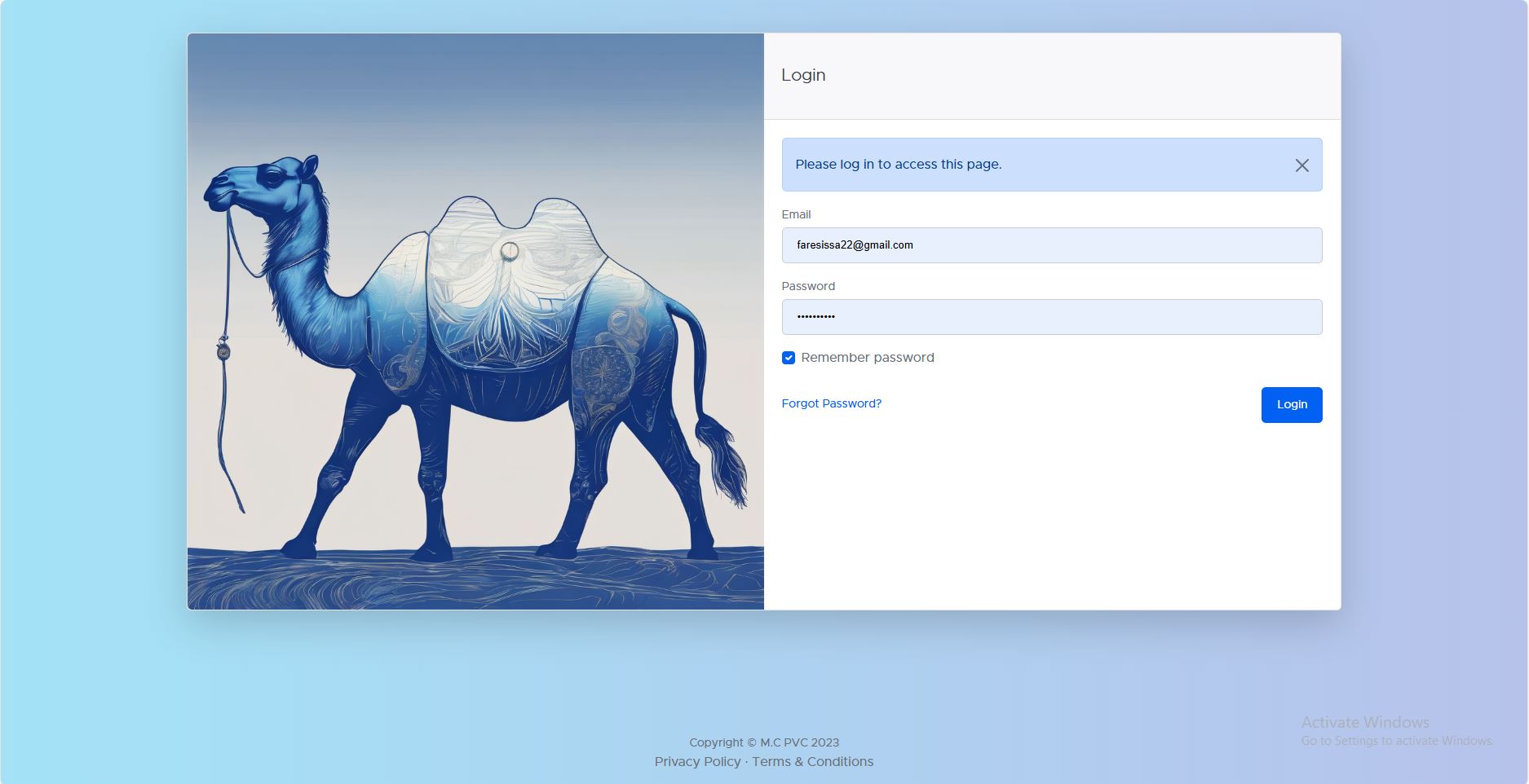
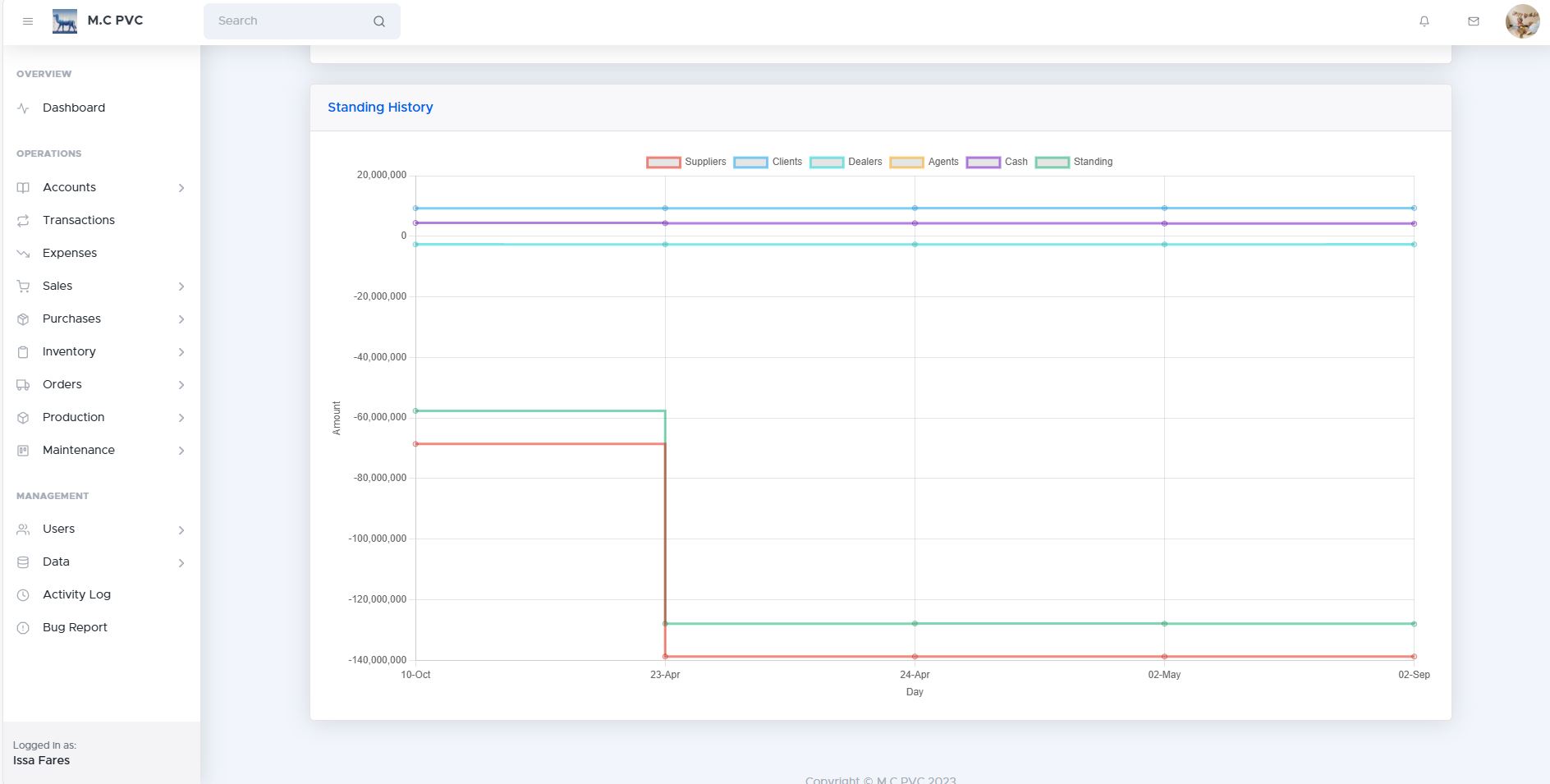
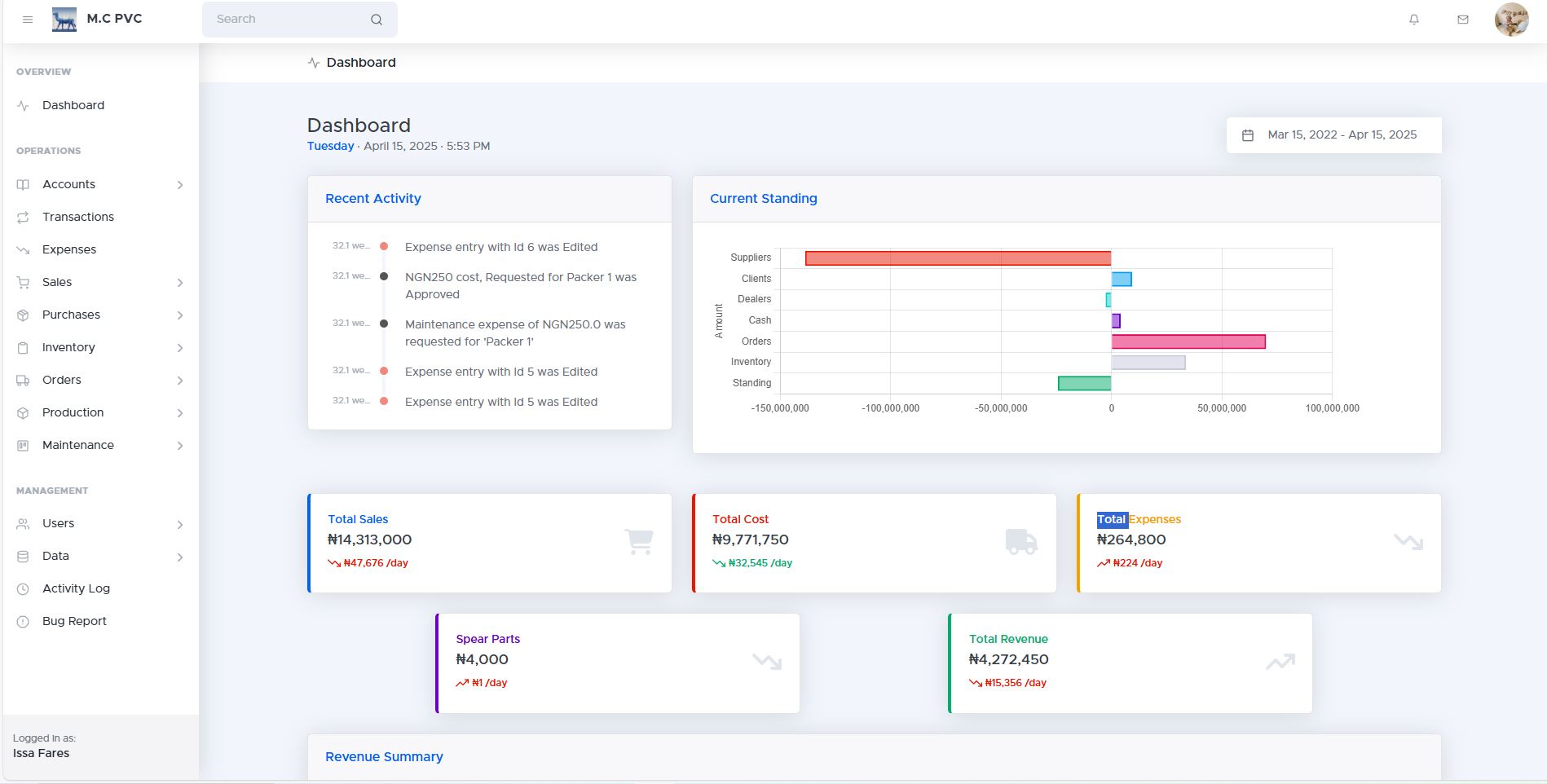
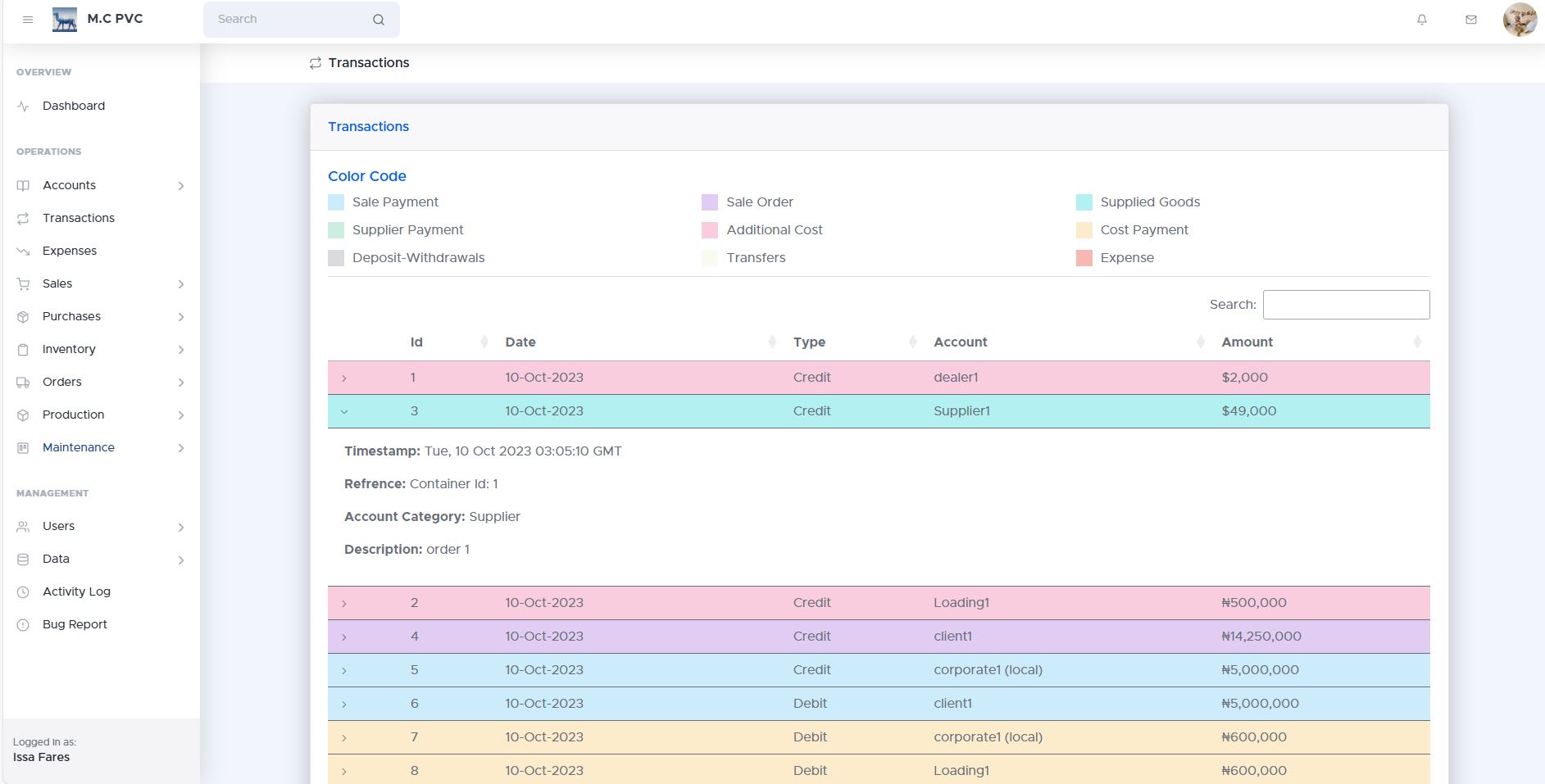
I developed a comprehensive ERC (Enterprise Resource Control) system tailored for the manufacturing industry. This custom-ordered solution integrates a wide range of functionalities essential for efficient management and operations. Key features include:
- Dashboard: A user-friendly interface that provides an overview of key metrics, historical and real-time data.
- Authorizations: Robust authorization mechanisms ensuring secure access and operations.
- Multiple User Roles: Support for diverse user roles, each with specific permissions and access levels.
- Accounting: Comprehensive accounting module for financial management and reporting.
- Sales: Tools for managing sales processes, from order placement to fulfillment.
- Purchases: Efficient management of procurement processes and supplier interactions.
- Manufacturing: Detailed oversight and control over manufacturing processes and workflows.
- Machinery Maintenance: Modules for scheduling and tracking machinery maintenance to minimize downtime.
- Logs: Detailed logging and reporting functionalities for tracking activities and ensuring compliance.
- Importations: Management of import processes, including documentation, compliance, and tracking.
- Costings: Detailed cost analysis and reporting to monitor and optimize expenses and profitability.
- Approval Workflow: Implementation of an approval mechanism throughout the system, allowing higher-level managers to approve or deny requests, ensuring checks and balances.
Weaver
- Project Id: 2
- Categories: Full-Stack Development, Design & Simulations
- Project Date: August-2024
Description
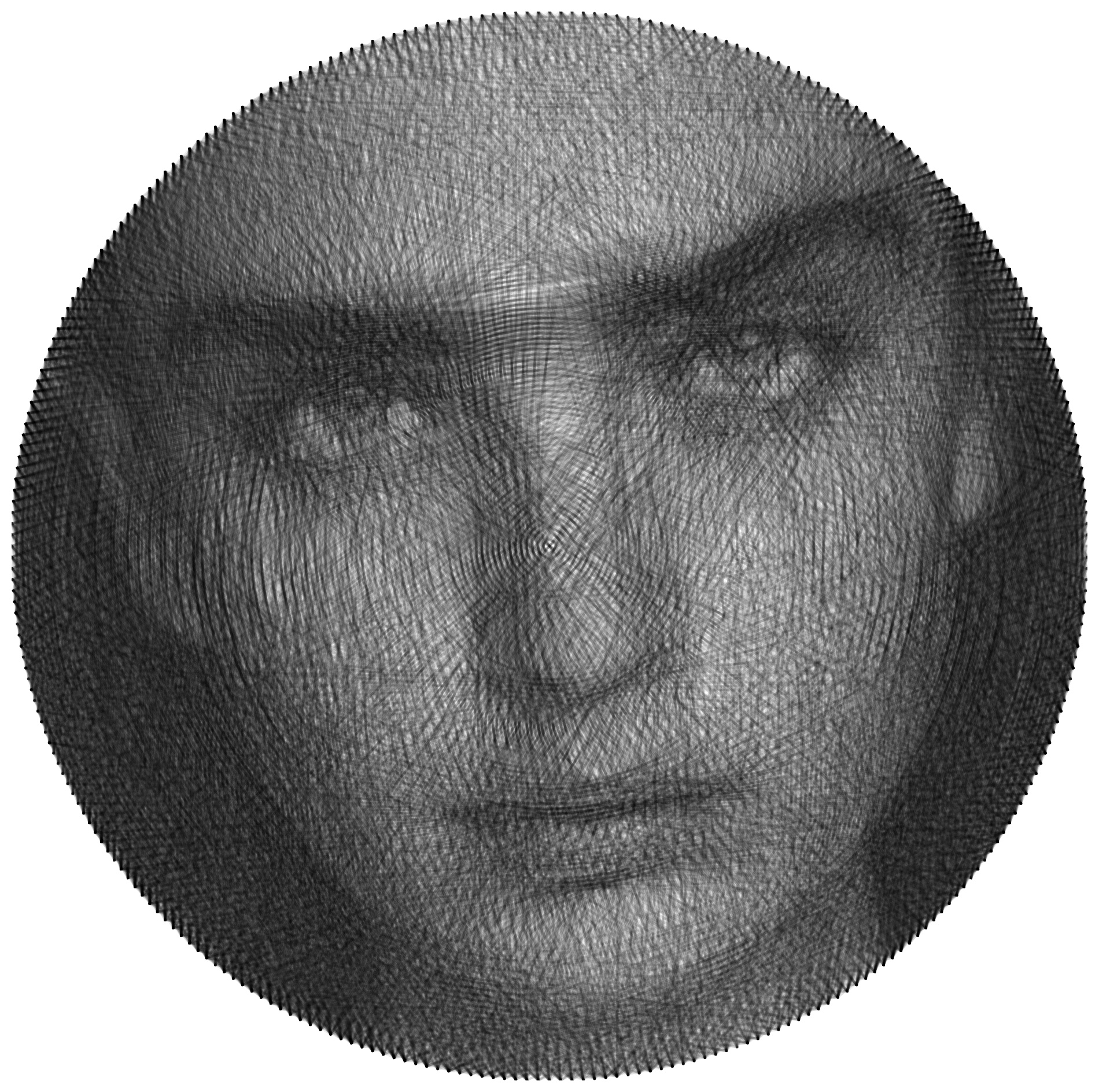
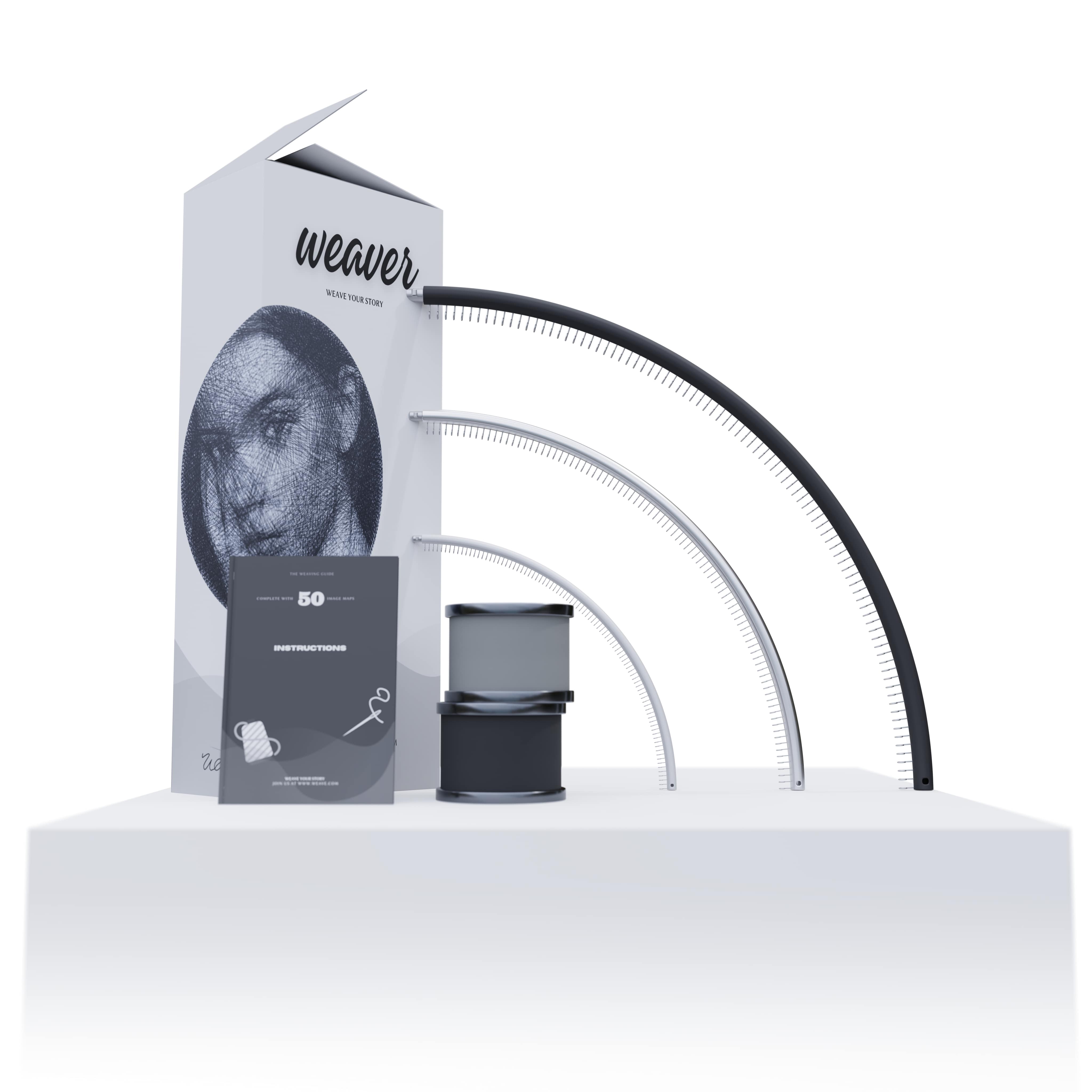
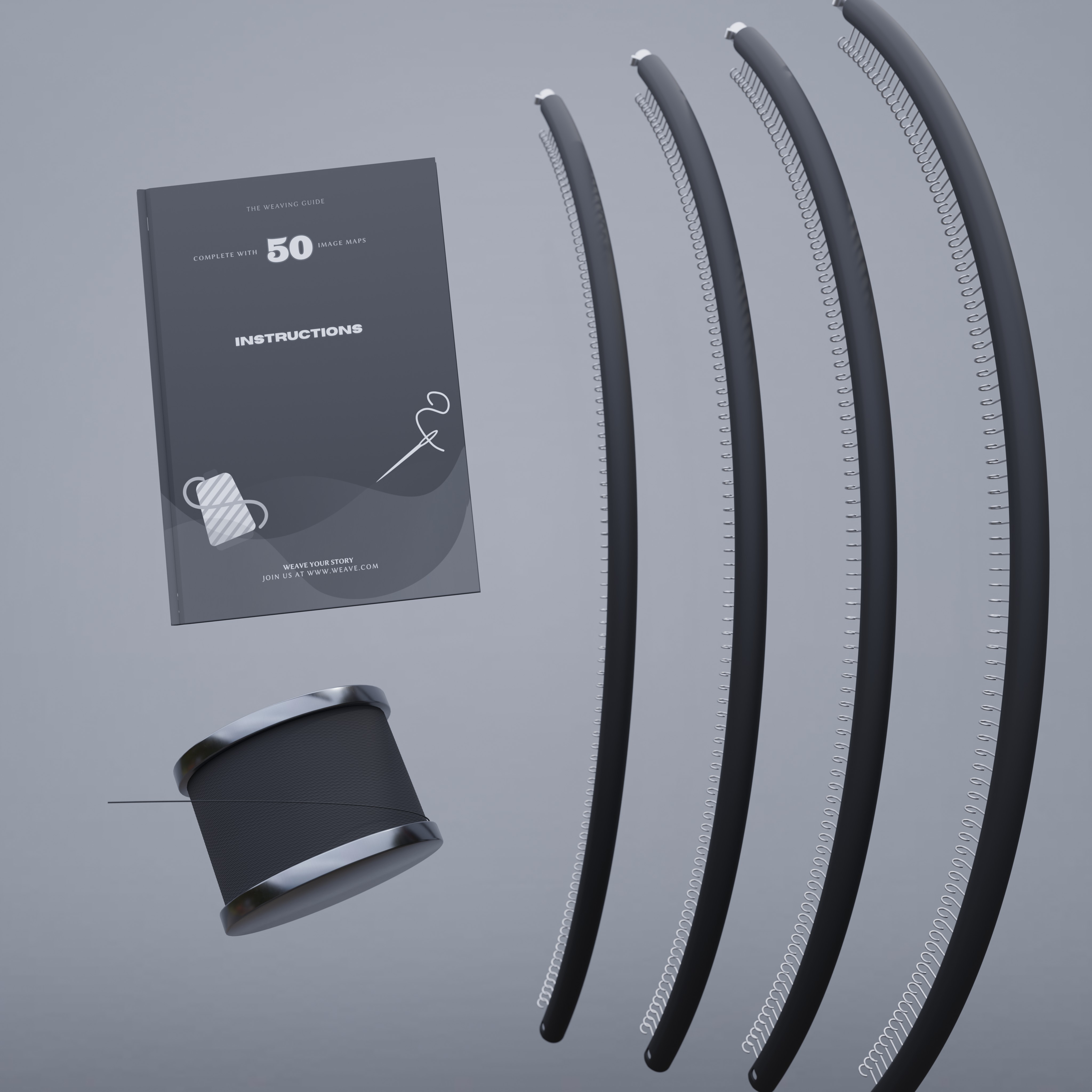
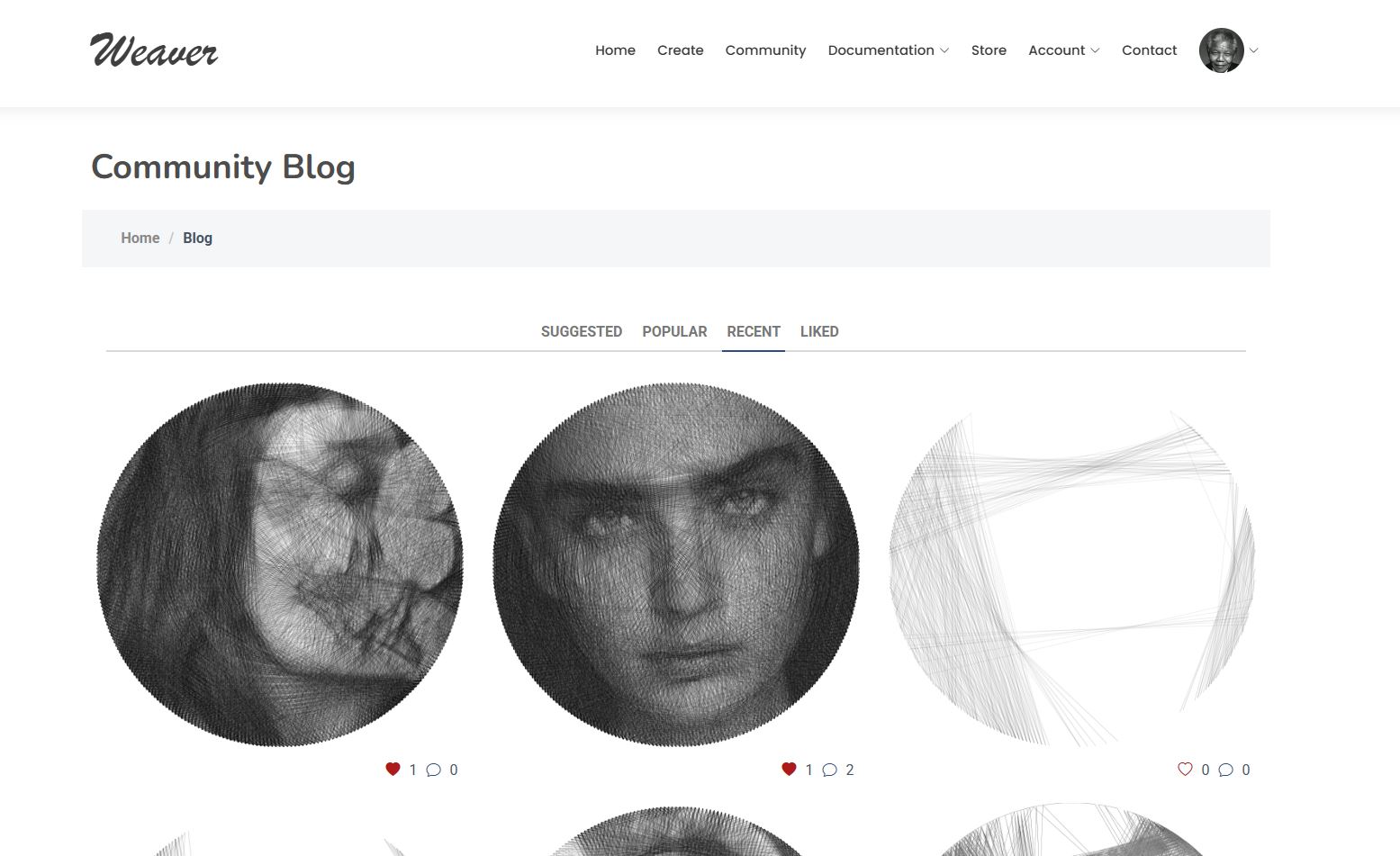
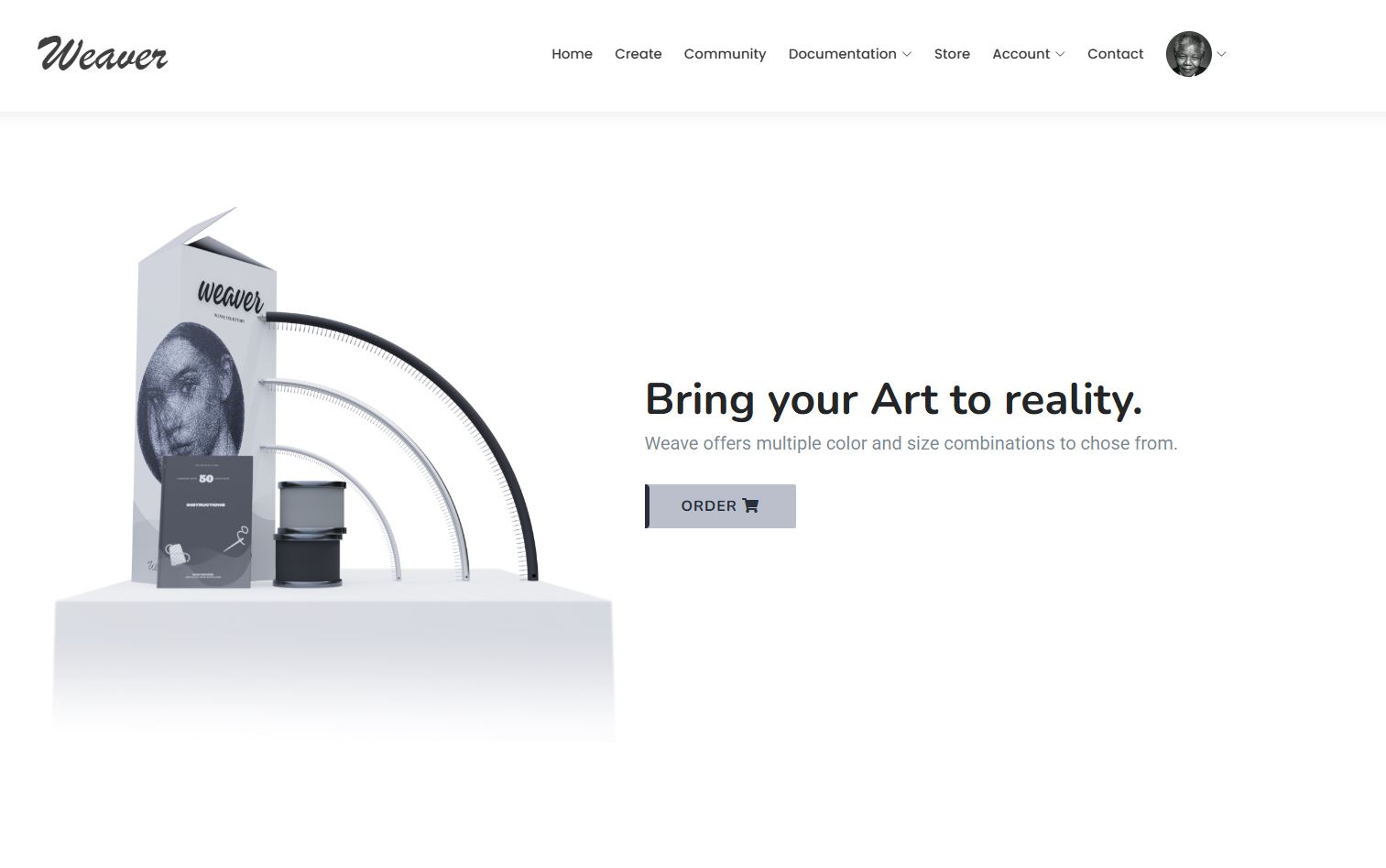
Weaver is a website that facilitates string art creations. The platform lets people buy DIY kits that
include a
circular steel frame with numbered pins, a bundle of thread, and an instructional booklet. Each
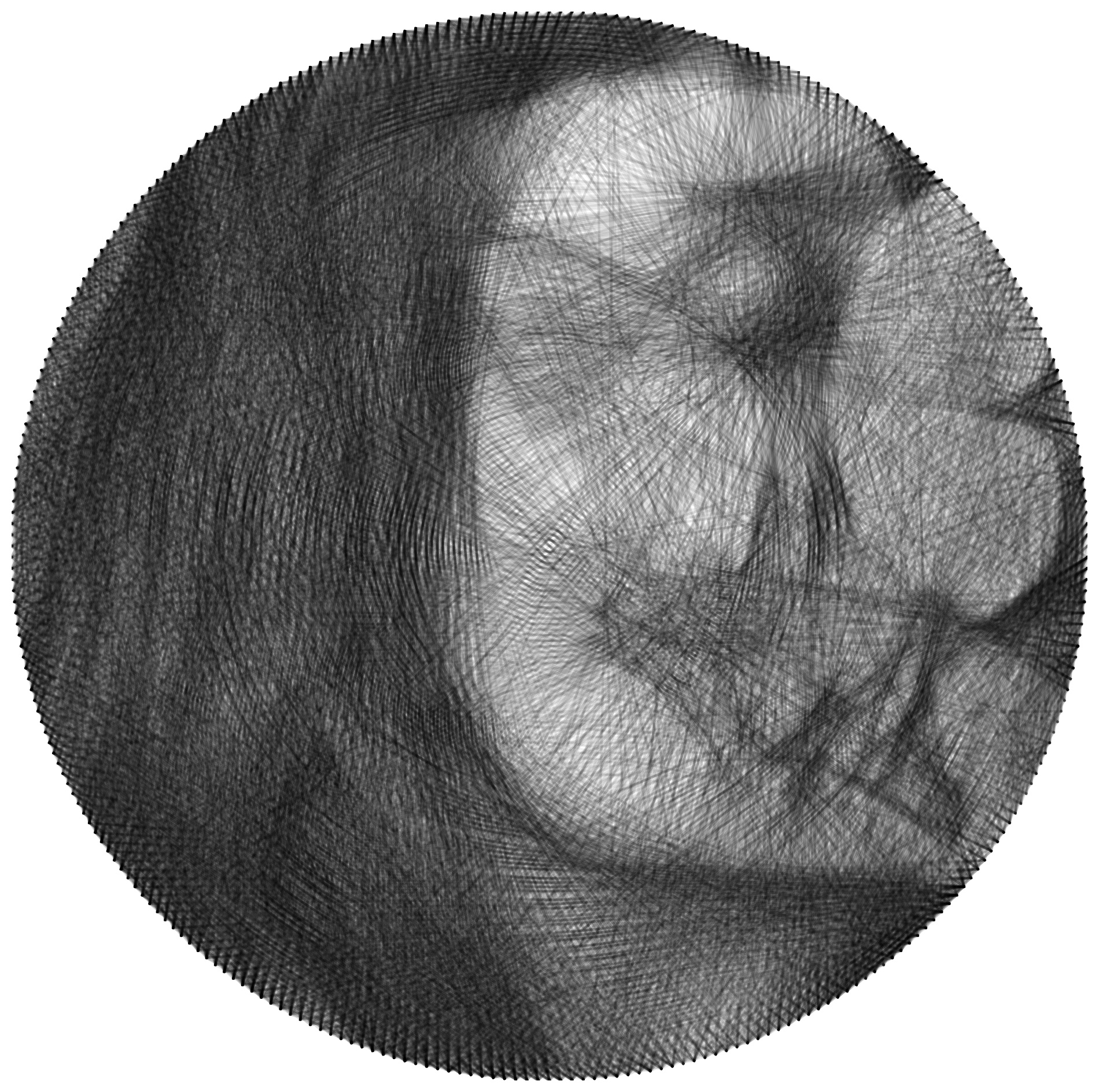
booklet contains 50 curated images mapped into coordinates so users can wrap the thread and recreate
the designs themselves.
I also developed a program that converts any uploaded image into a custom coordinate map. The main
engine runs through C++ to Python binding, which makes the generation process much faster and more
efficient. The site manages payments, shipping, and user profiles, creating a smooth experience from
ordering to delivery.
To make it more engaging I added a blog where users can share their creations and compare settings
such as contrast, filters, and iteration counts. It has grown into a space where people not only show
their results but also trade tips for sharper and more personalized designs.
Vertical Farm
- Project Id: 3
- Categories: Full-Stack Development, Control Systems, Design & Simulations
- Project Date: 2021
Description
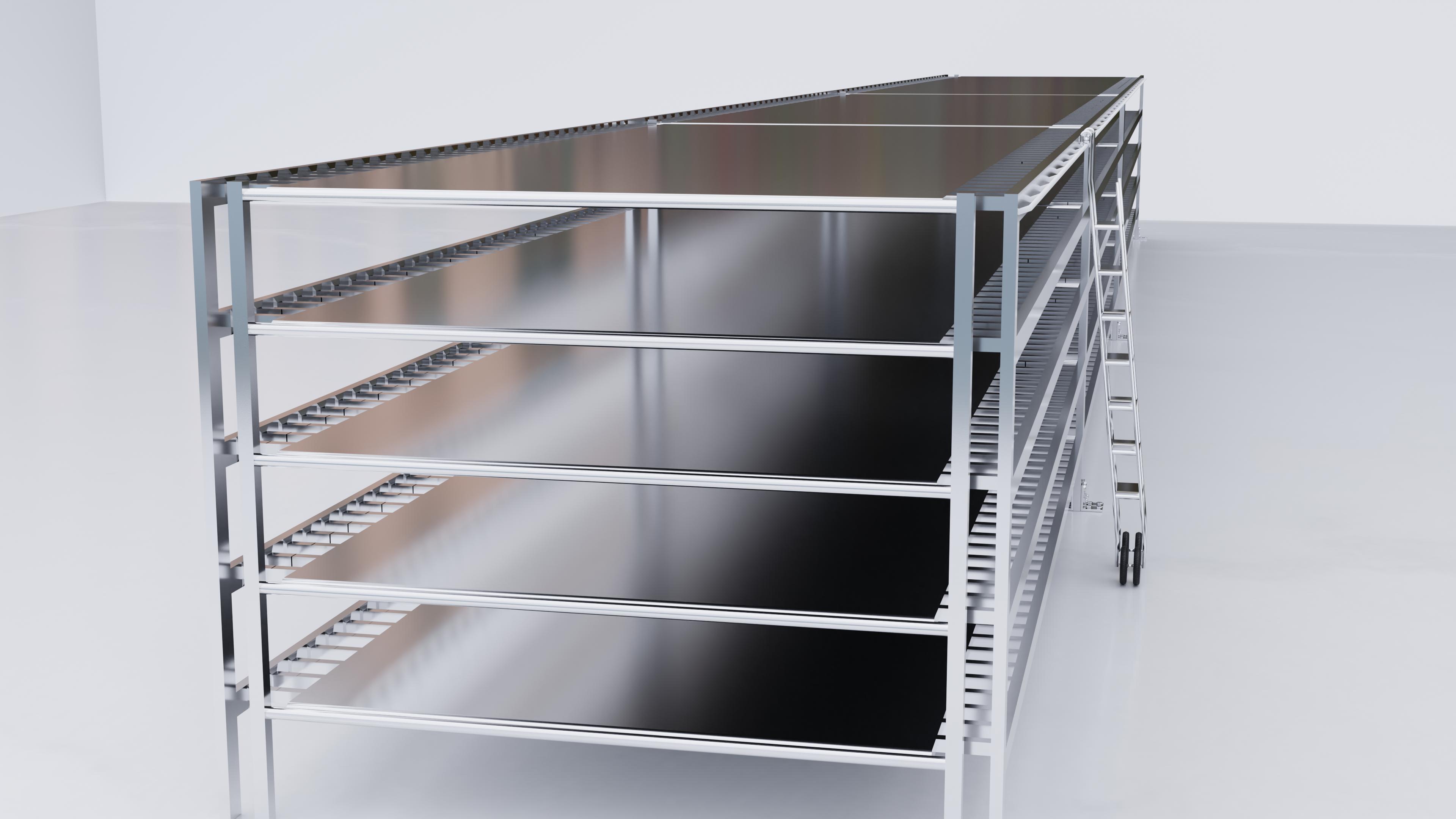
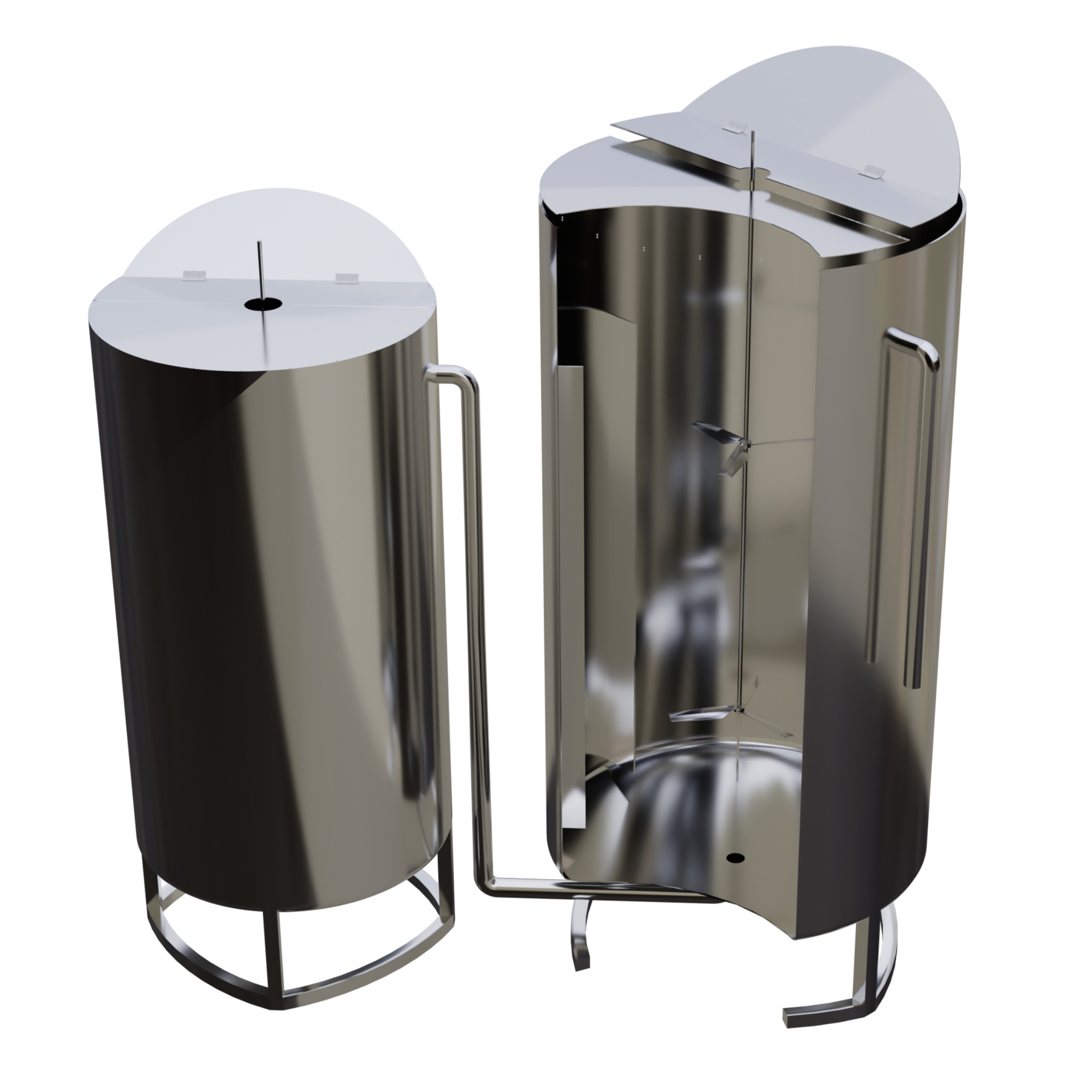
I co-Designed a comprehensive budget and feasibility report for a pilot-scale
vertical farming facility, focusing on cost-efficient construction, automation, and sustainable
operations. The project
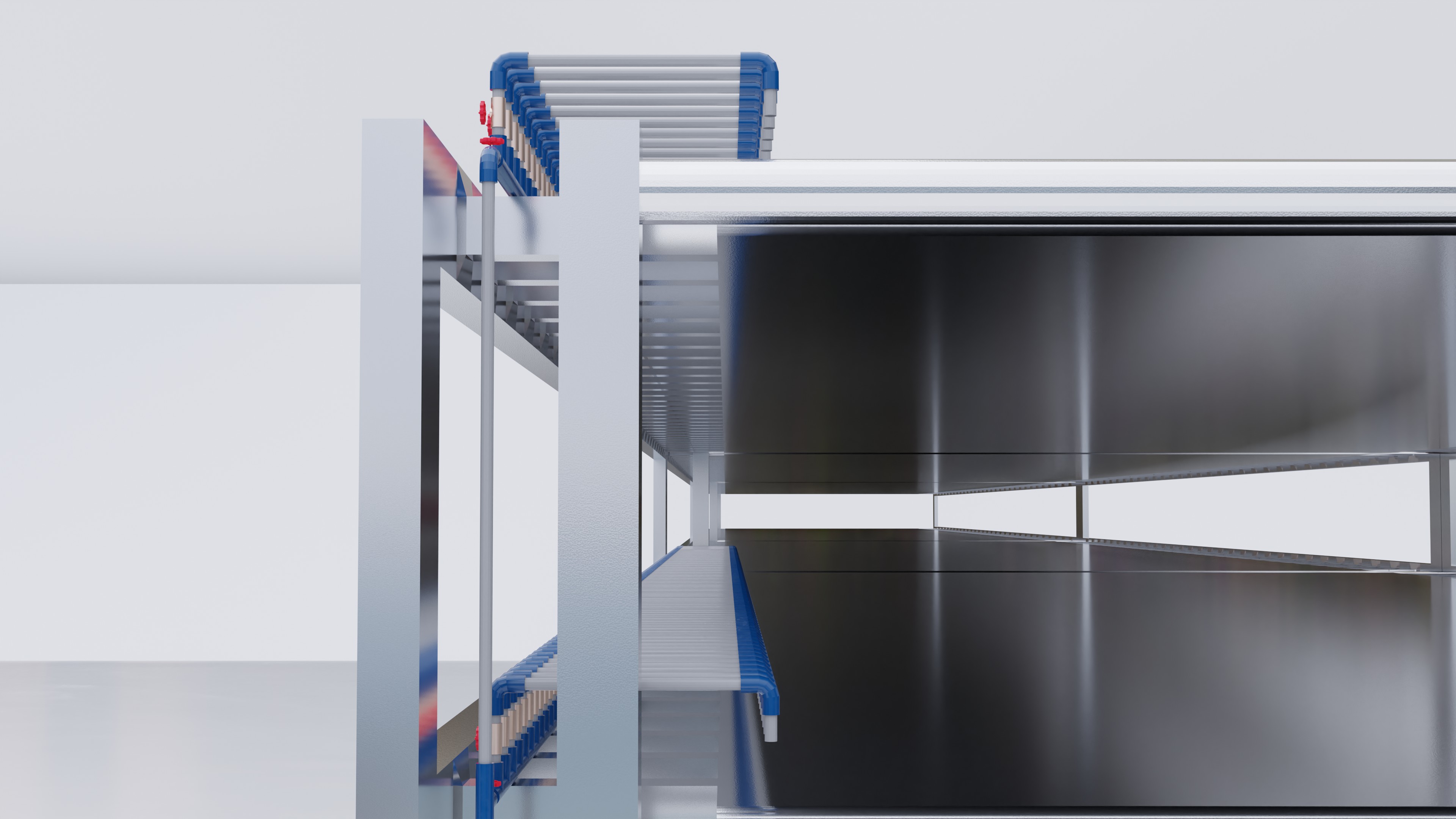
involved designing a structurally optimized building, an automated nutrient delivery system
(integrated with SCADA for
real-time monitoring) featuring an efficient 8-minute cycling process, and specialized HVAC and
lighting systems
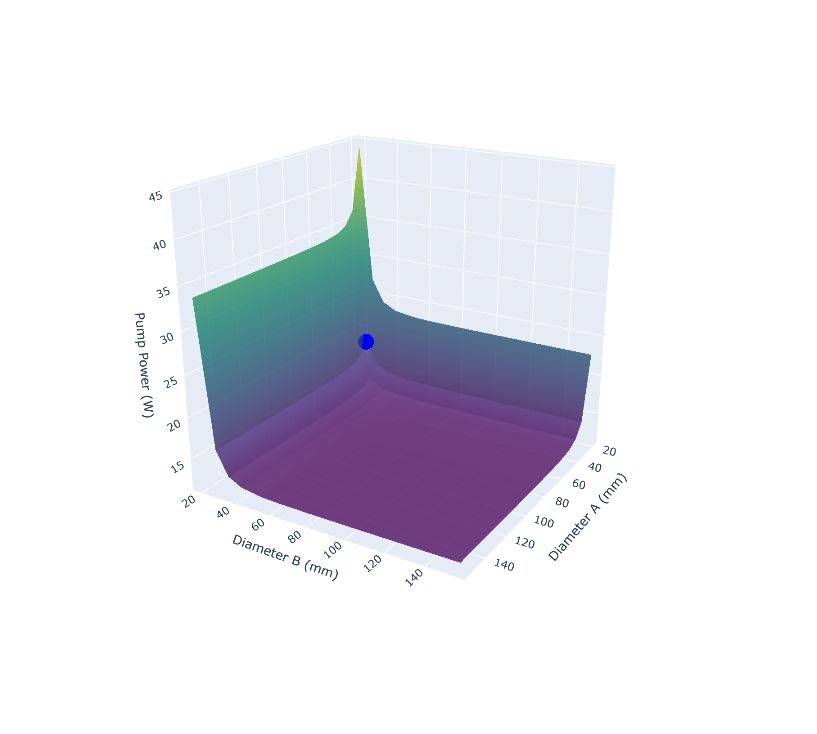
tailored for high-yield lettuce production. By implementing dynamic spacing strategies and analyzing
fluid dynamics,
material selection, and energy consumption, we achieved a 25% reduction in resource waste compared to
traditional batch
farming while ensuring operational efficiency at scale.
The systems demonstrated exceptional scalability, with projections showing a 43.8% profit margin for
the full-scale
model (25,000 m²). The pilot successfully validated the design's commercial viability, with potential
monthly profits
exceeding $143K at scale. Key skills: Budgeting, CAD design, fluid mechanics, automation (PLC/SCADA),
renewable energy
integration, and sustainable resource optimization.


Liquid Monitoring System
- Project Id: 4
- Categories: Control Systems
- Project Date: September-2022
Description
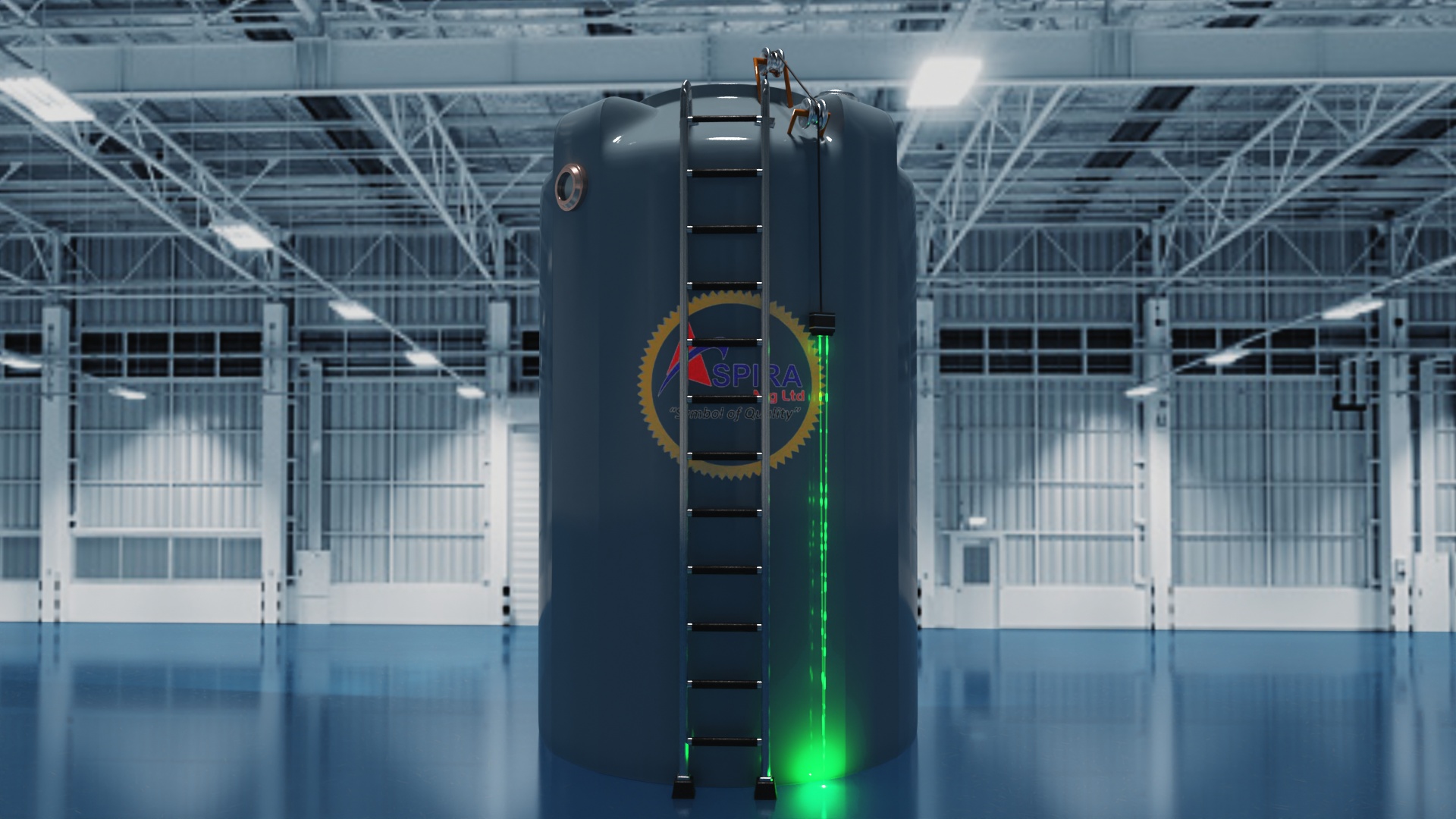
For a project aimed at constantly monitoring the volume of liquid in a large tank, I designed and
implemented a custom floater-laser system. The setup involves a floater inside the tank that moves
vertically along an iron rod, preventing horizontal drift. The floater is connected through a
rope-and-pulley system to a laser measurement device positioned externally and directed downward.
As the liquid level decreases, the distance between the laser and the bottom of the tank increases
proportionally. This change is measured and transmitted by ESP controllers to the control system
platform, which calculates the liquid height in real time. By factoring in variations in liquid
density, the system provides continuous volume monitoring.
This method was selected because the tanks were located in harsh environments where high-end
instruments, though more precise, proved impractical as they were repeatedly lost or removed. Our
design offered a low-cost yet sufficiently accurate alternative that met operational requirements
while also reducing the incentive for theft.
Crypto Mining
- Project Id: 5
- Categories: Full-Stack Development, Design & Simulations
- Project Date: April-2025
Description
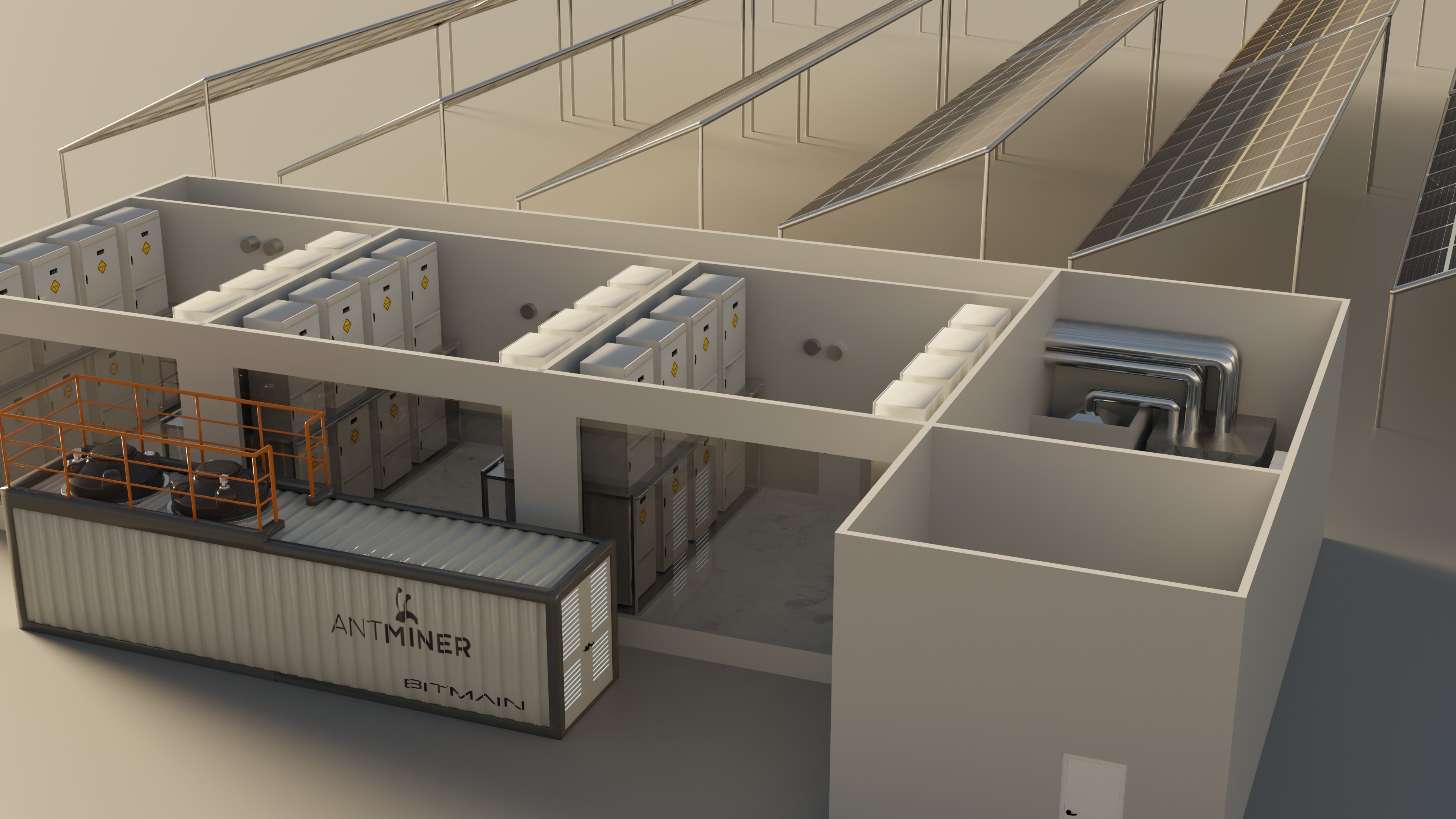
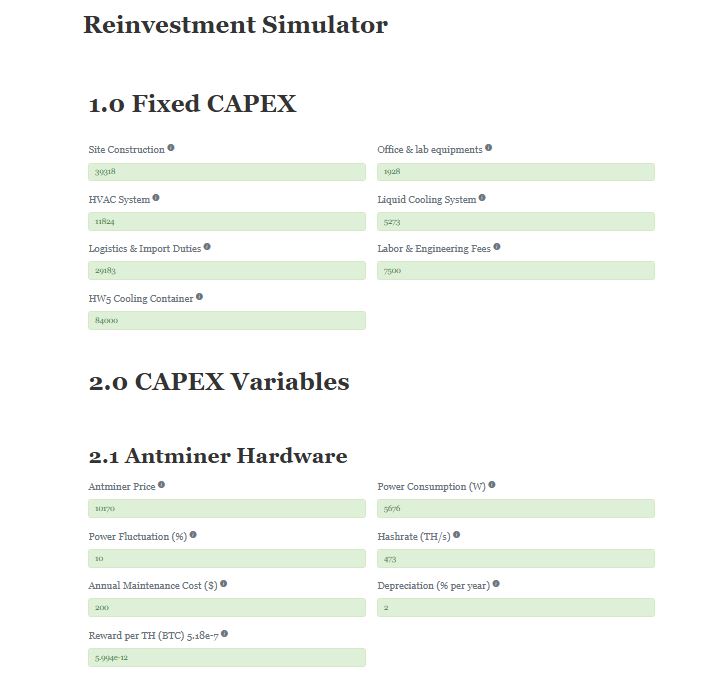
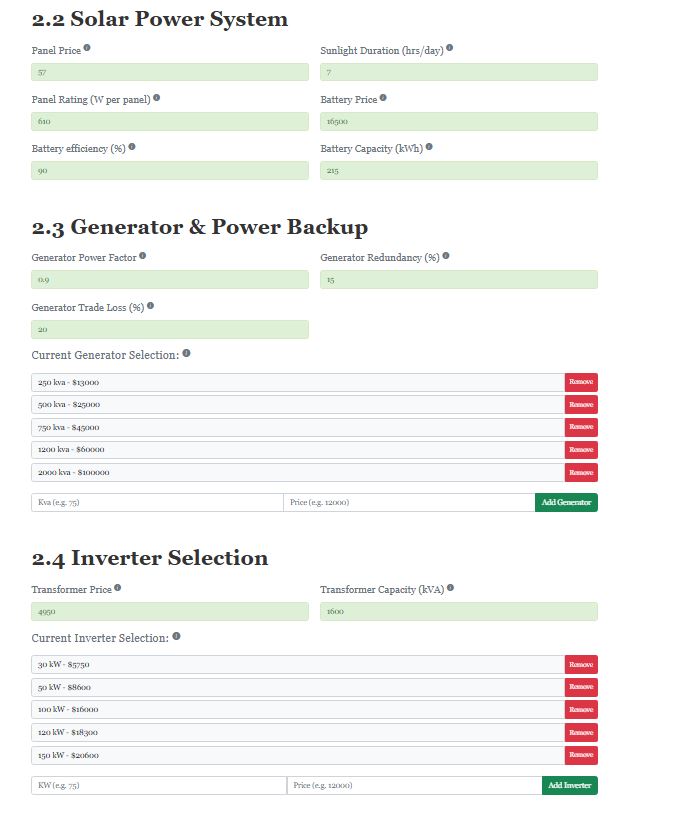
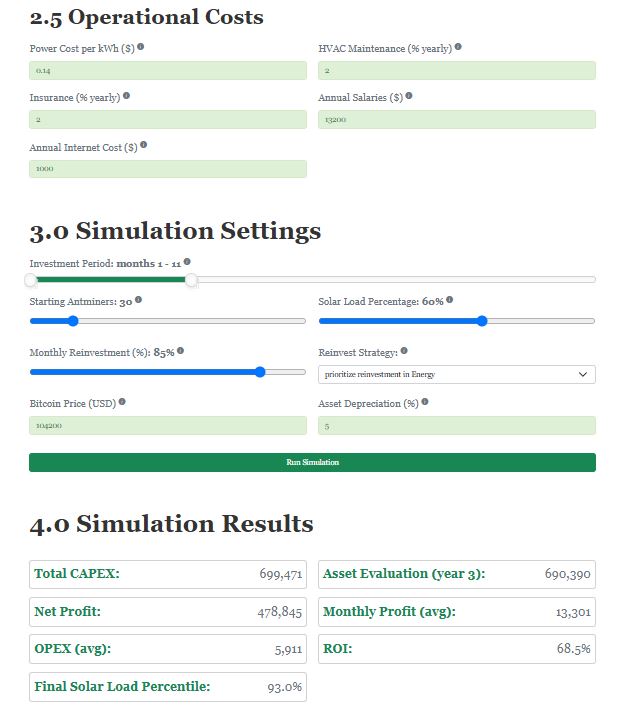
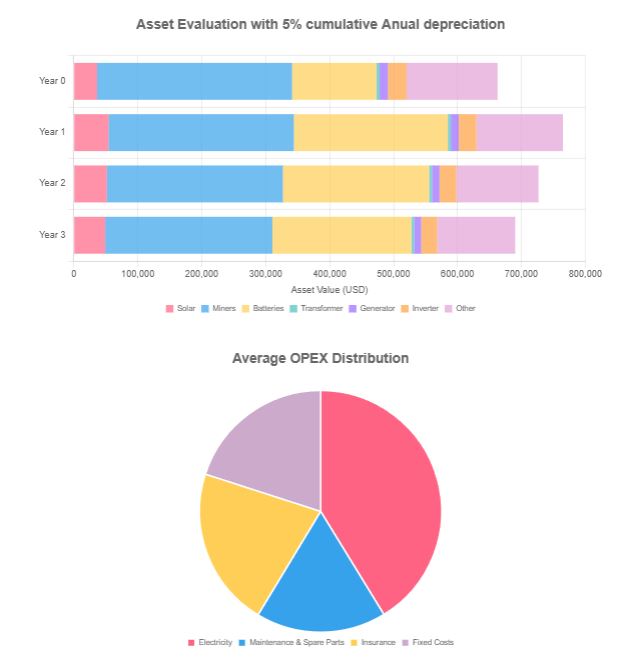
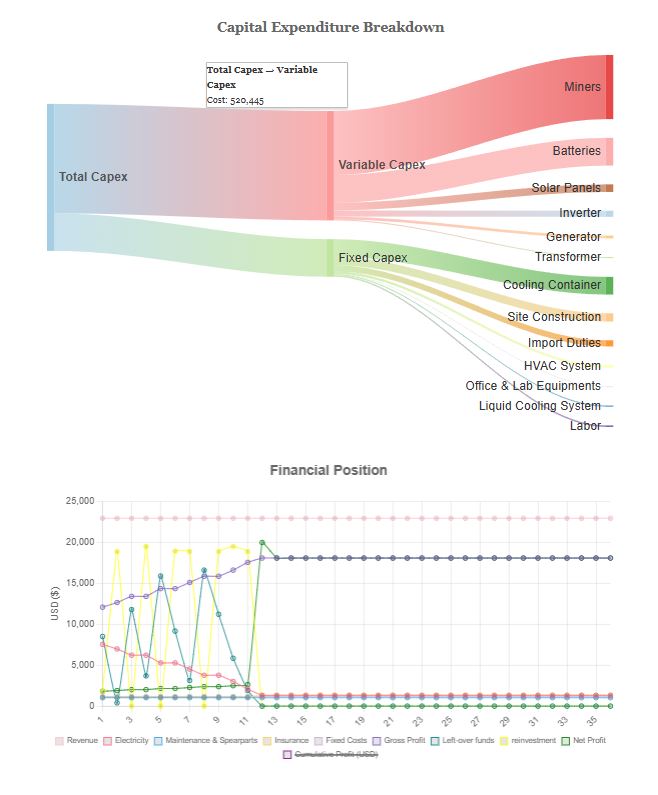
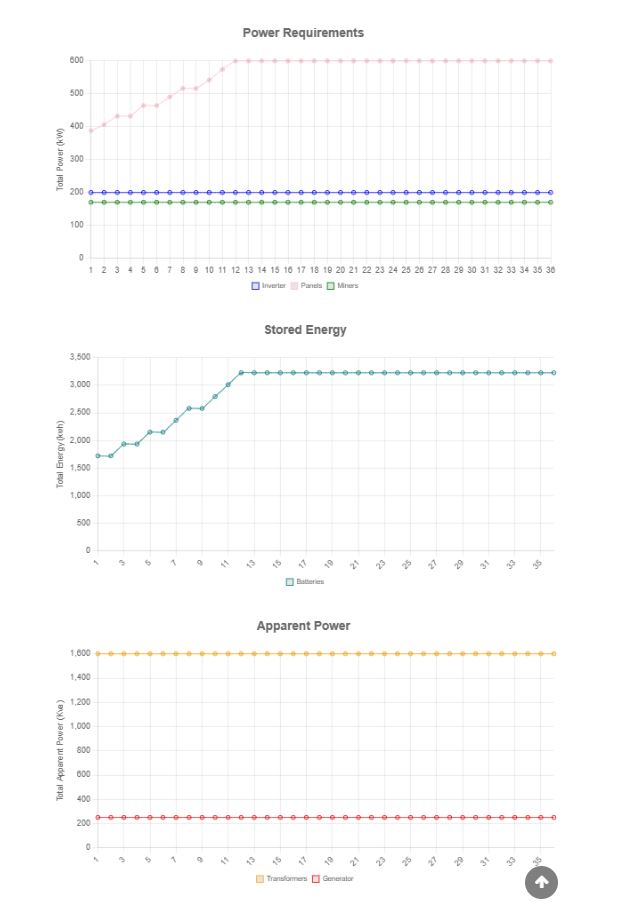
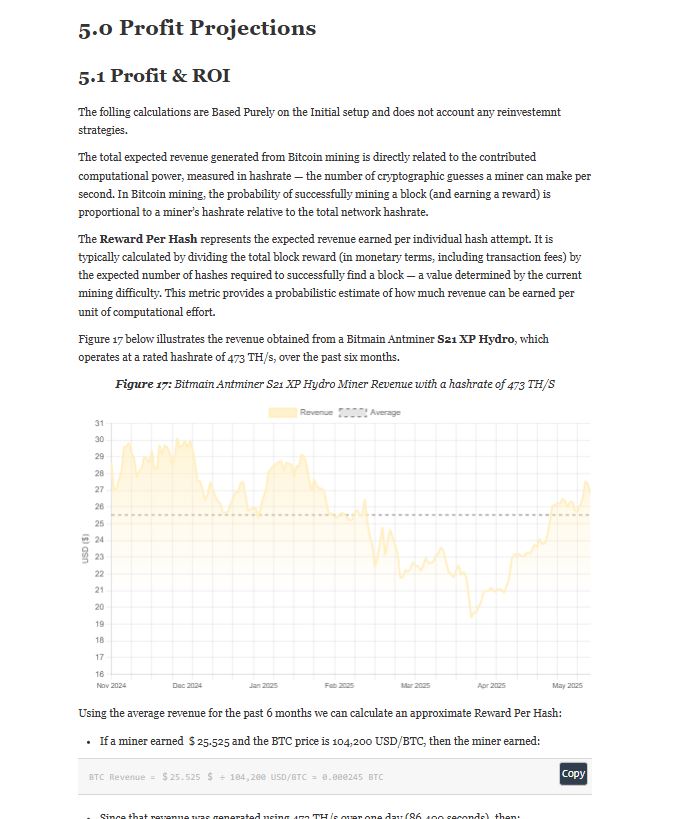
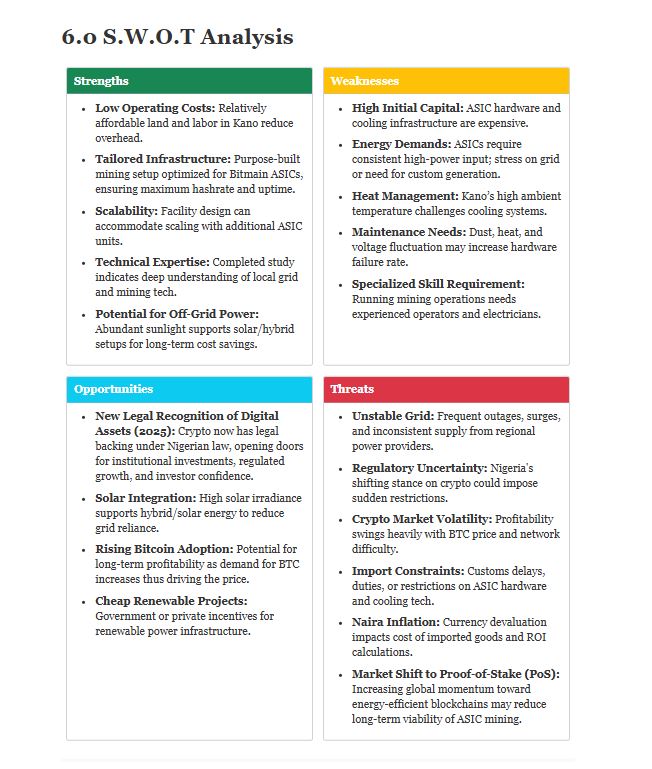
I developed and financially structured a Bitcoin mining venture based in Kano, Nigeria, leveraging Bitmain’s S21 XP Hydro ASIC miners and a custom-built energy infrastructure designed for solar-diesel hybrid integration. The project emphasizes long-term sustainability by prioritizing energy efficiency, starting with 60% solar penetration and scaling to 93% within the first 11 months. To support decision-making, I built a dedicated Python simulation script to model revenue projections, reward-per-hash calculations, reinvestment scenarios, and energy cost optimization across a 3-year horizon. This allowed for dynamic financial modeling, incorporating variables such as BTC price stability, dividend payouts, and power source shifts. The operation demonstrated a first-year profit of $145,248 and a reinvestment-driven net profit of $478,845 by year three, achieving a 68.5% ROI. The model balances high-performance mining, renewable integration, and grid resilience, forming a data-driven, scalable entry point into the digital asset economy.
Frosty Pops Retail Operations Platform
- Project Id: 6
- Categories: Full-Stack Development
- Project Date: 2025
- Status: Live (client login)
Description
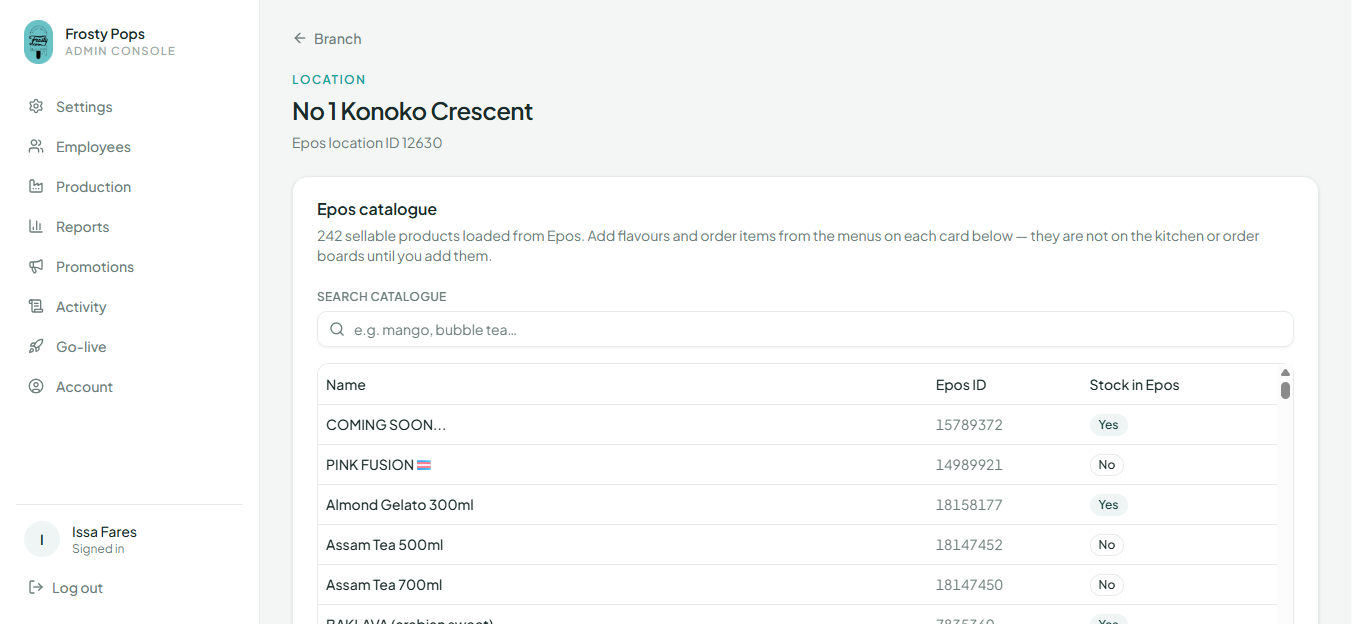
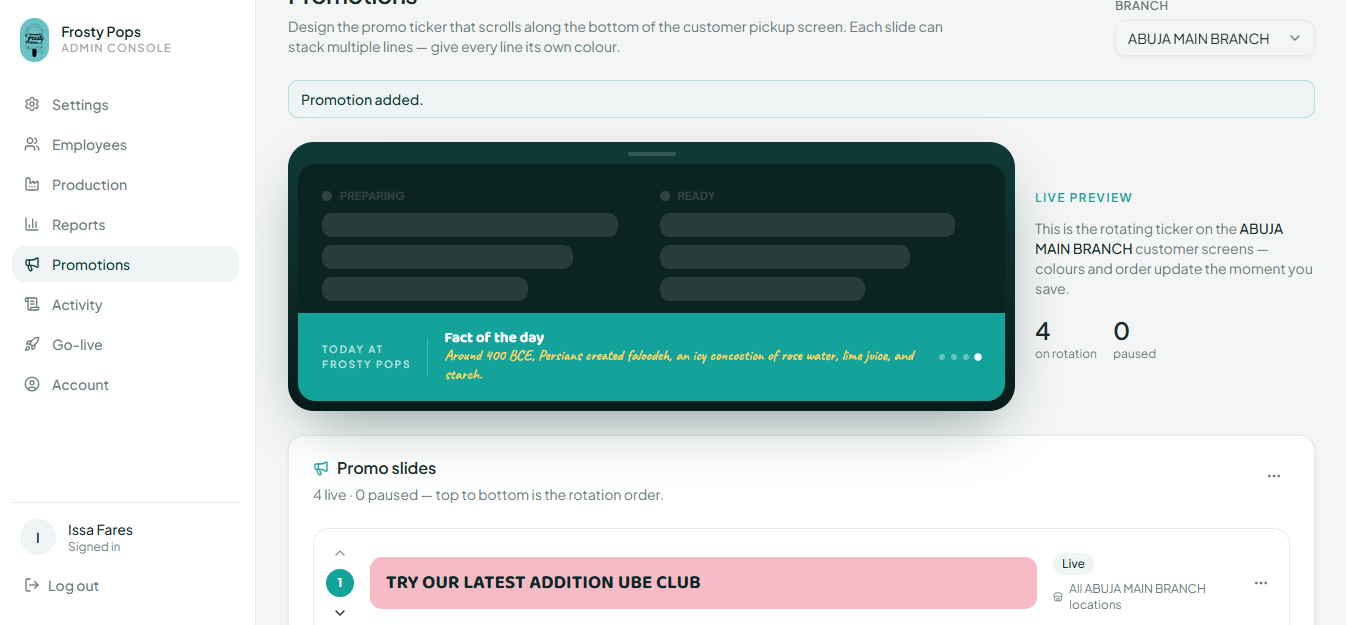
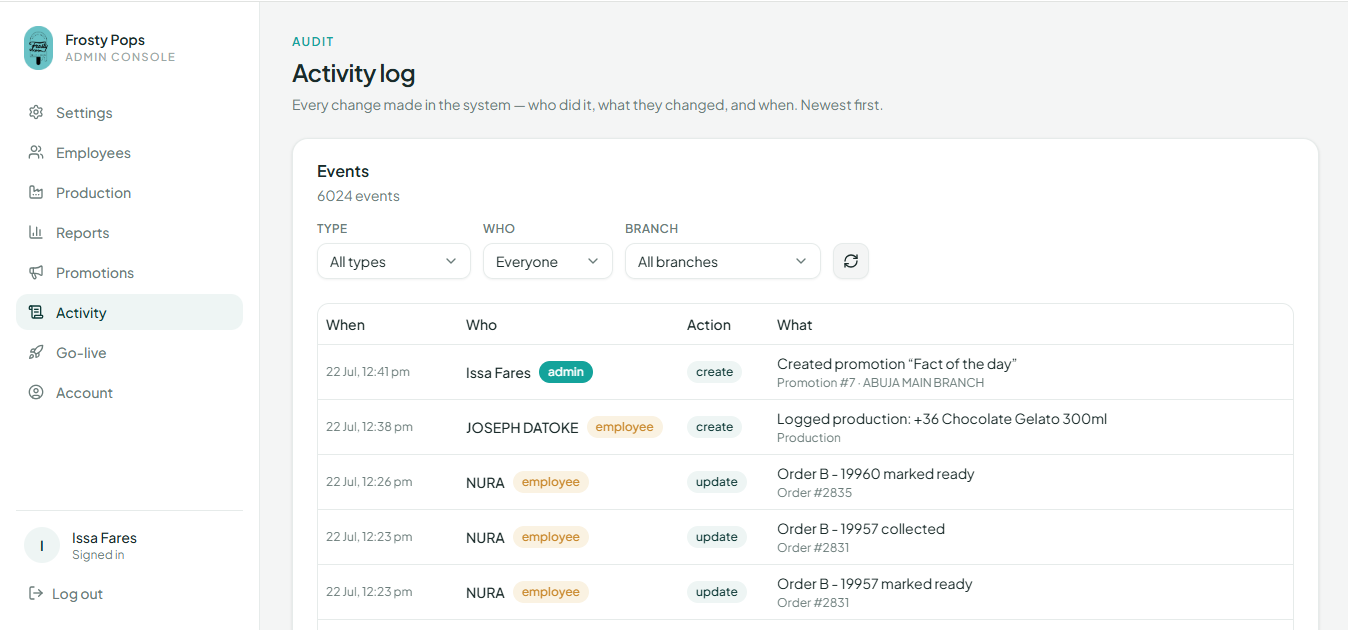
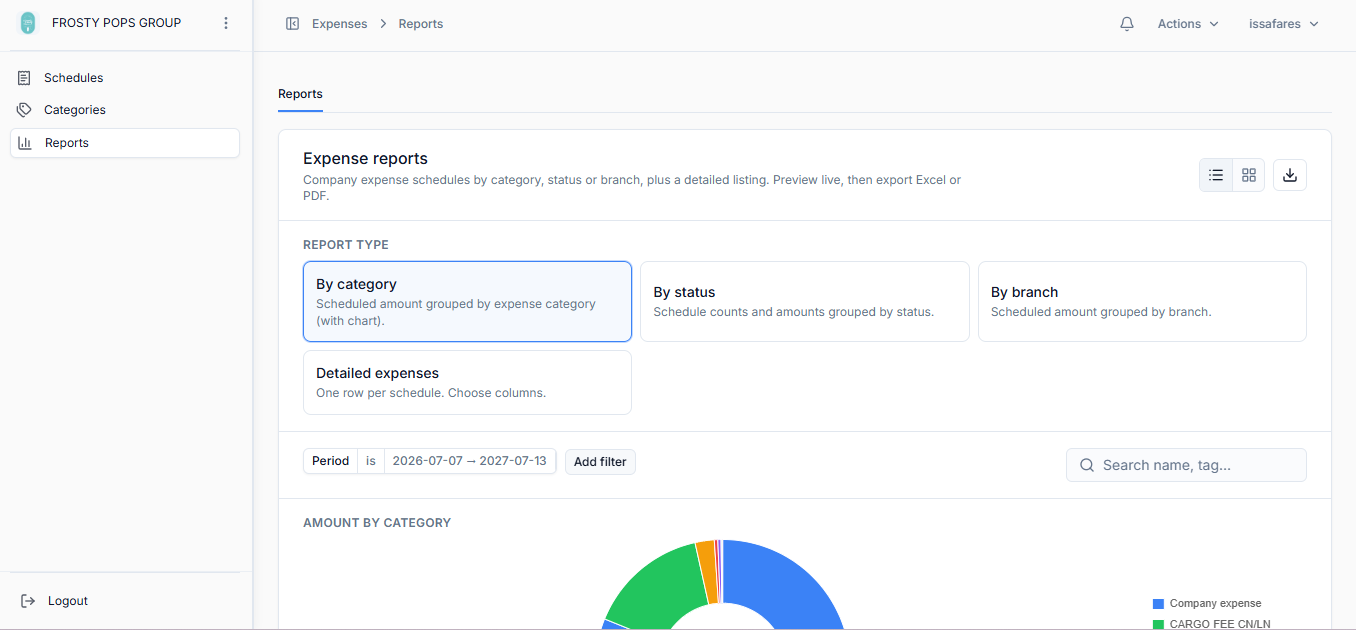
Frosty Pops operates retail shops across Nigeria on the EposNow point-of-sale platform. The POS handled tills well but left the group without the operations layer a multi-branch business needs, so I built one. The core is a custom wrapper around the EposNow API that reads and writes POS data in both directions, keeping EposNow as the source of truth while extending it with centralized administration, multi-location oversight, and management dashboards.
The result is a single operations hub: head office sees every branch in one place, and the client gets tooling the POS vendor does not offer, without migrating away from the system their staff already know. The build demanded careful API integration design, working within a third-party platform's rate limits and data model, and role-based access so each layer of the business sees exactly what it should.
Frosty Pops Kitchen Ticketing System
- Project Id: 7
- Categories: Full-Stack Development
- Project Date: 2026
- Status: Live (client login)
Description
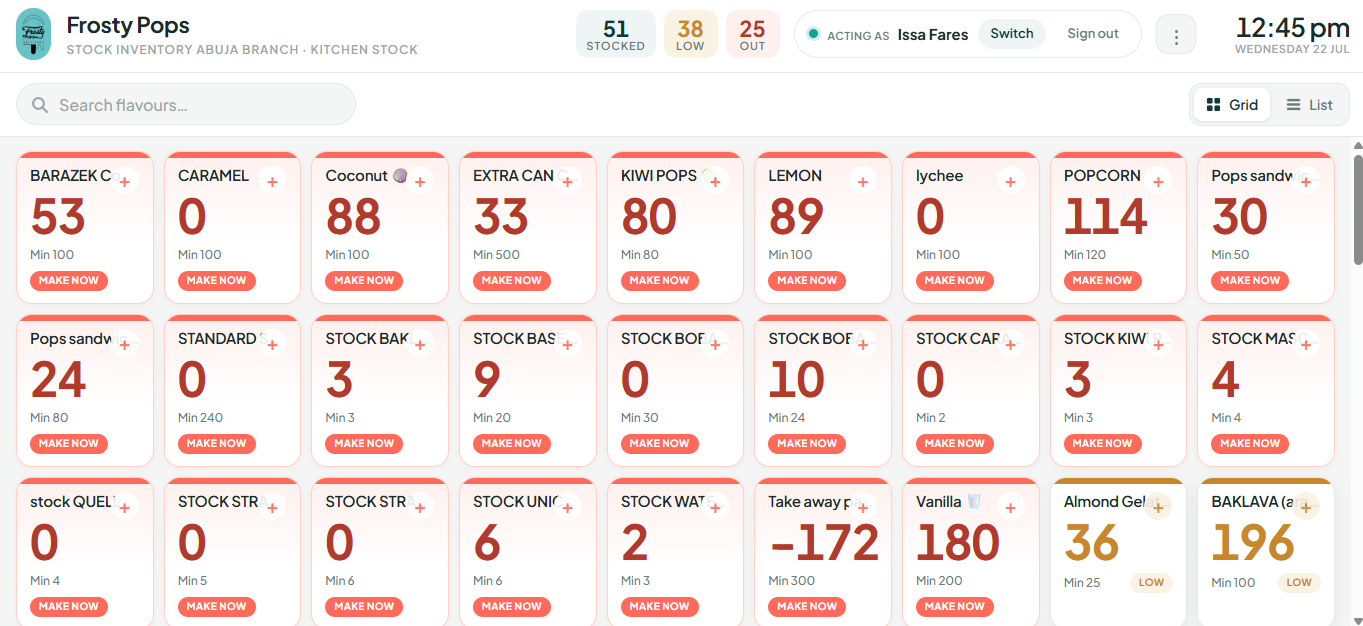
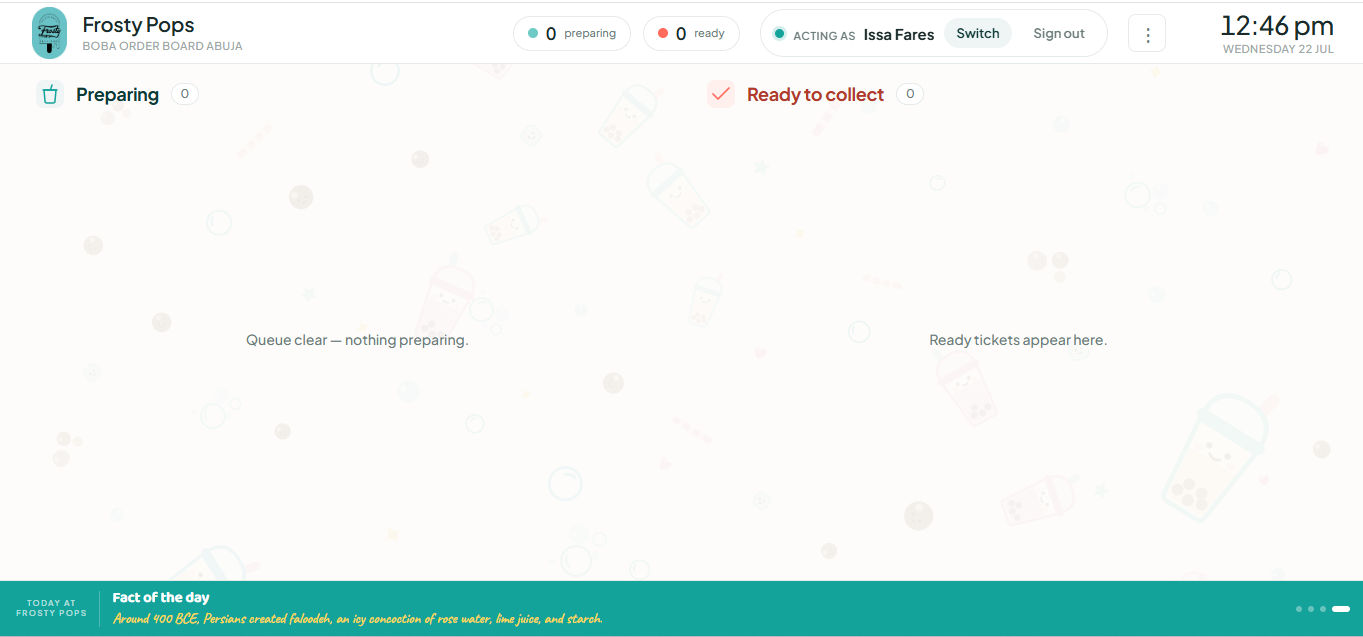
A real-time order processing and display system in the style of McDonald's kitchen ticketing. Orders placed at the till appear instantly on preparation displays, move through clear states as staff work them, and clear from the board on completion, keeping queues moving and customers informed.
The system runs on WebSockets for live updates and webhooks for POS event integration, so every screen in the shop reflects reality within moments of an order being placed. It was purpose-built for a noisy, fast-moving retail floor: large type, unambiguous states, and zero interactions that require a keyboard.
Frosty Pops Internal Operations Suite
- Project Id: 8
- Categories: Full-Stack Development
- Project Date: 2026
- Status: Live (internal)
Description
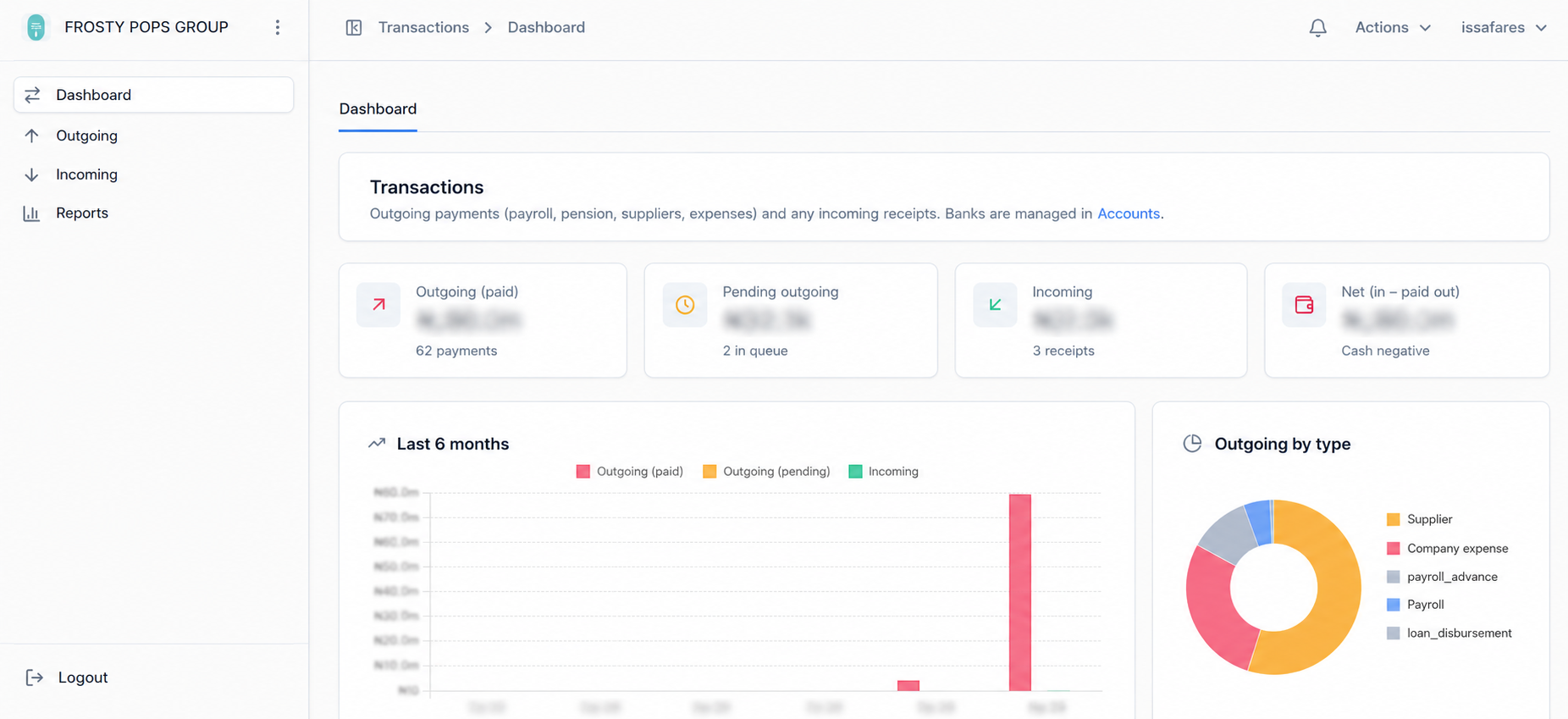
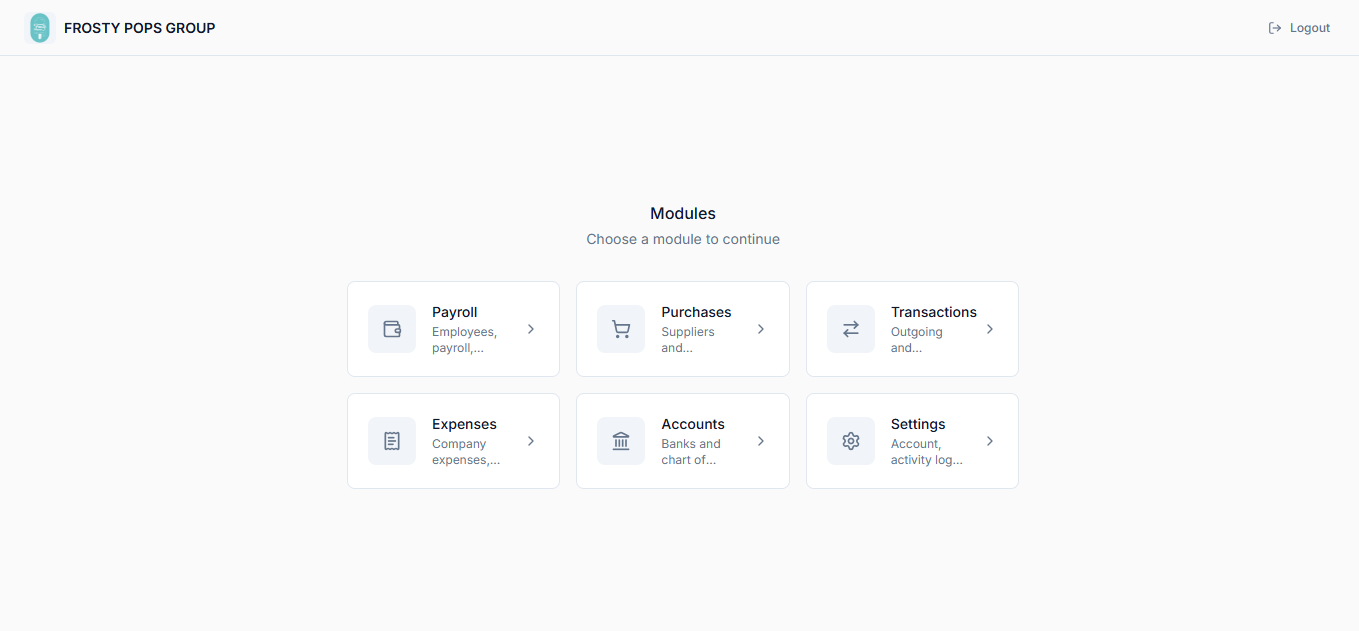
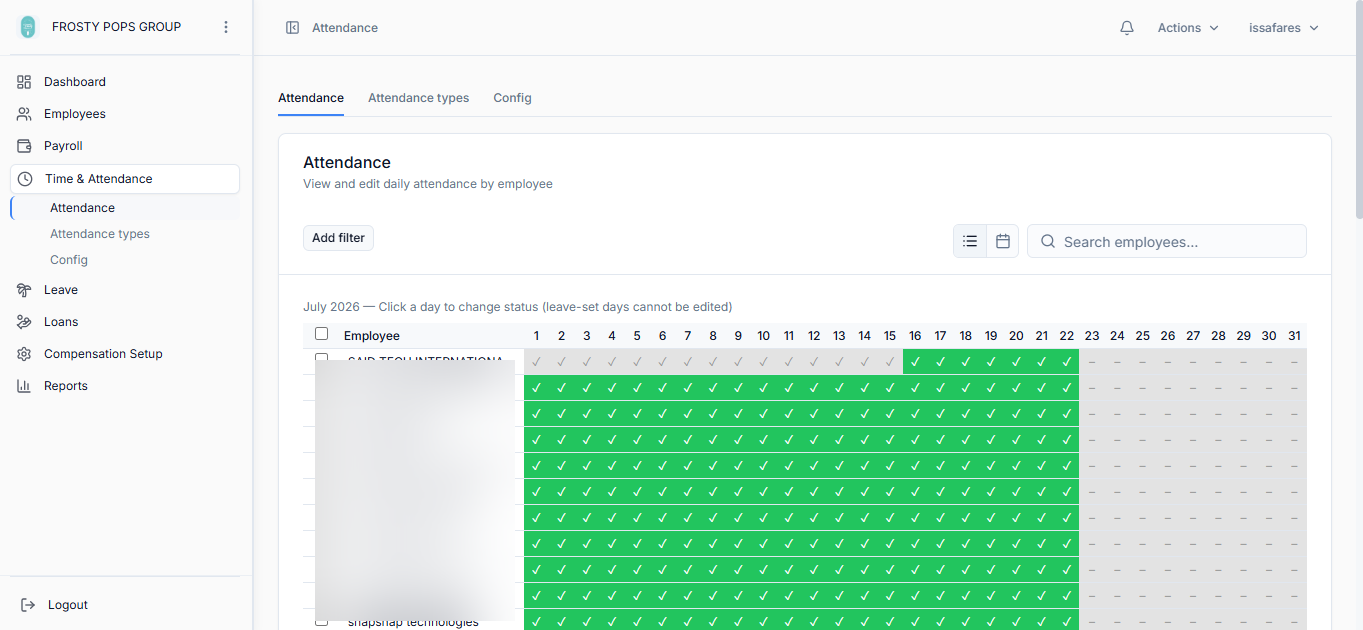
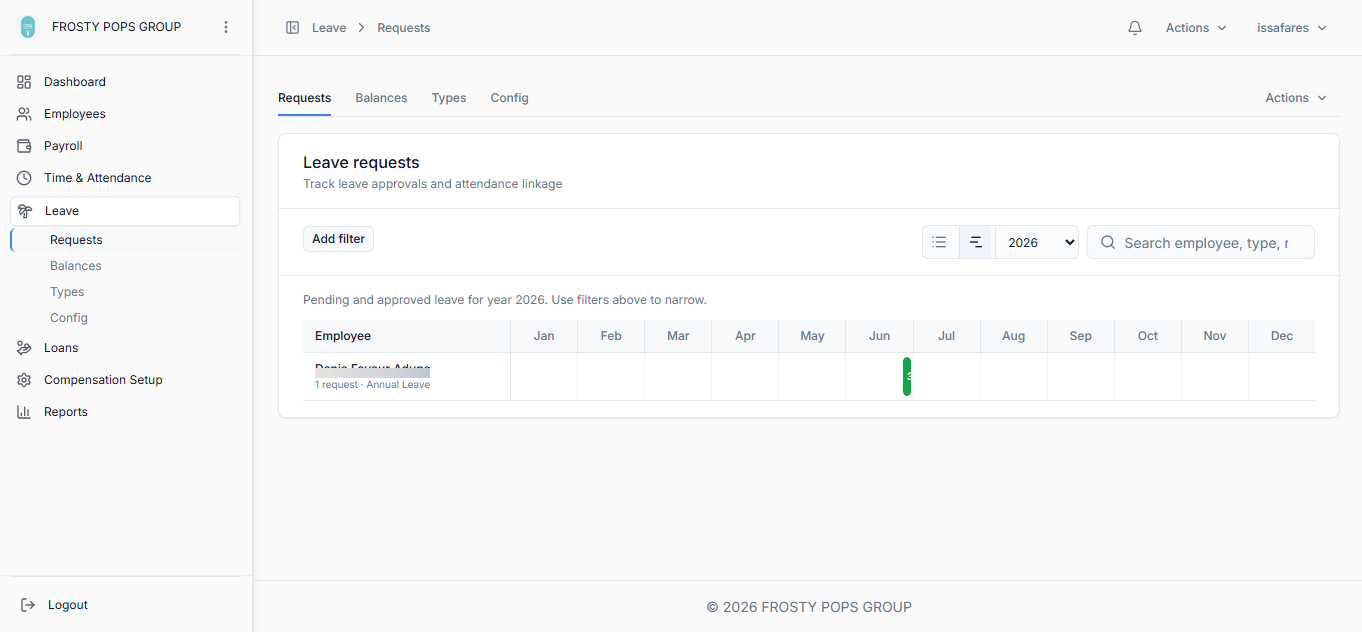
Alongside the customer-facing operations platform, I built the group's internal operations suite: the back-office system staff use day to day. It brings staff administration, operational workflows, and management tooling into one place, sharing the same data backbone as the POS integration, so back-office decisions and shop-floor reality never drift apart.
Where the operations platform answers "how is the business doing", the internal suite answers "who is doing what, and what needs approval". Together with the ticketing system, the three applications form one connected stack serving the same source of truth.
On-Demand Delivery Marketplace App
- Project Id: 9
- Categories: Full-Stack Development, Mobile Development
- Project Date: In development, launching 2026
Description
A React Native delivery marketplace app for iOS and Android, built for a client entering the Nigerian on-demand delivery market against established players such as Glovo. The app covers the full three-sided marketplace: customers browsing and ordering, vendors managing menus and accepting orders, and couriers receiving jobs with live tracking.
A single React Native codebase serves both platforms, with real-time order state and courier location handled over persistent connections. In development, launching 2026.